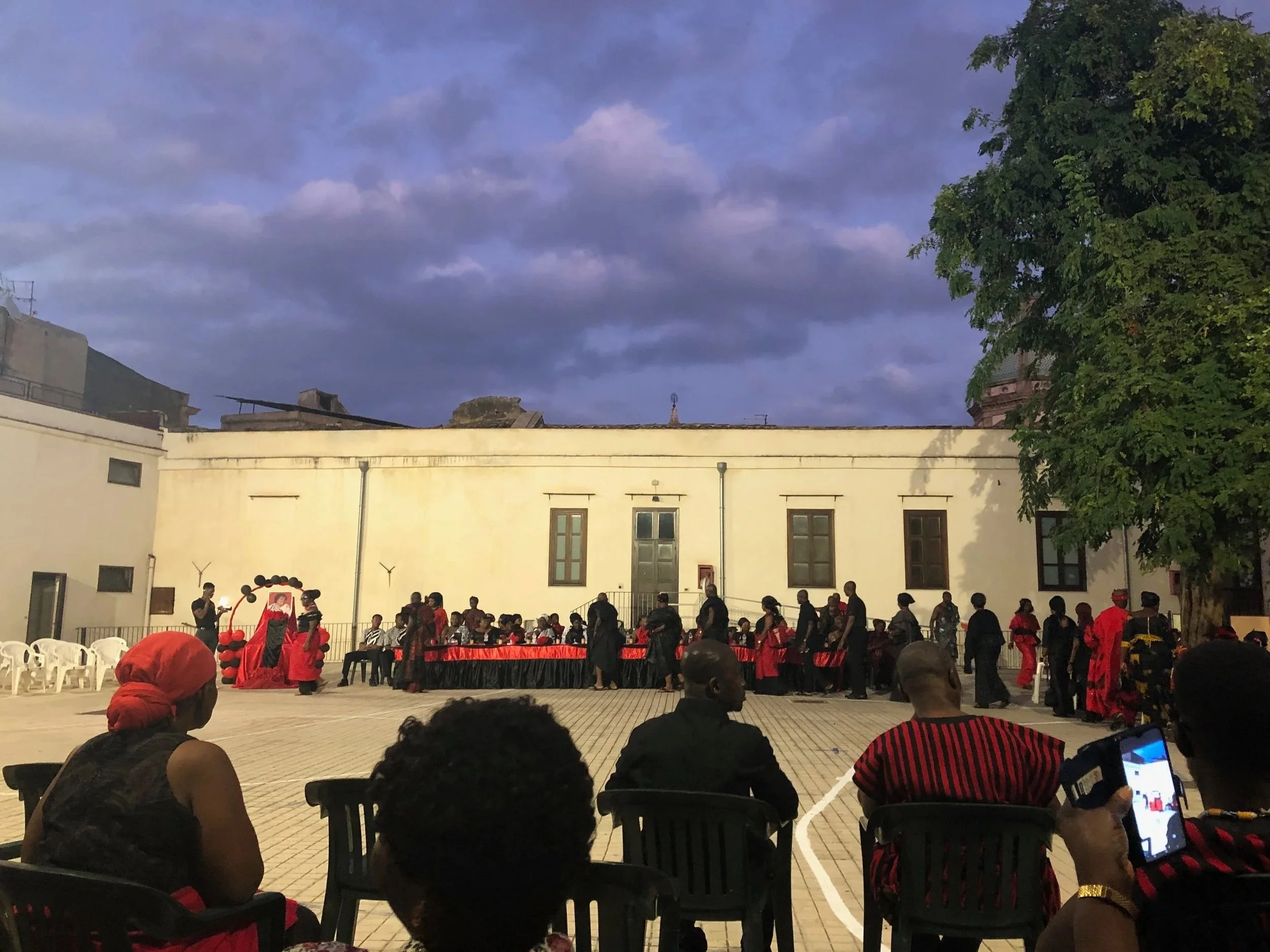
People discussed a wide variety of rights – realized and unrealized – in the over 100 photo-voice interviews conducted by facilitators from Palermo’s migrant and diaspora communities who were involved in this project.
This page summarizes these findings and the broader patterns in people’s responses. The pages of this web site devoted to specific rights discuss each one further and include numerous quotes from diverse participants in these interviews.
Rights denied and realized
Overall, people identified many more challenges and rights denied than rights realized in their communities, though this varied between different communities. Black migrants from West Africa and their children reported the worst experiences of life, dignity, and other rights denied, including women and men from Nigeria, Ghana, Gambia, and Ivory Coast. People who lacked legal pathways to migration and asylum, especially in the Gambian and Nigerian communities, spoke of the greatest abuses and denial of people’s rights to life, mobility, and asylum. Some shared sentiments of fear in their communities about living and working illegally. Women and men from West Africa, some of whom have been trafficked to Italy, spoke of freedom from torture and exploitation, including violence during their migration journeys through North Africa. And many participants, especially from North and West Africa, discussed widespread exploitation in the labor market, especially but not only for people denied legal status.
Algerian international students who enjoy legal migration pathways and greater institutional support in Italy, and also people from the long-established Filipino community, reported the most fulfilling experiences of rights realized. However, young Tamil people born in Italy to parents from Sri Lanka shared that, despite their high levels of education and professional credentials, they are still denied opportunities for decent work. They and other young adults born in Italy to parents from Bangladesh and North and West Africa expressed frustration with Italy’s lack of birthright citizenship and consequently the barriers they face to realizing a variety of rights.
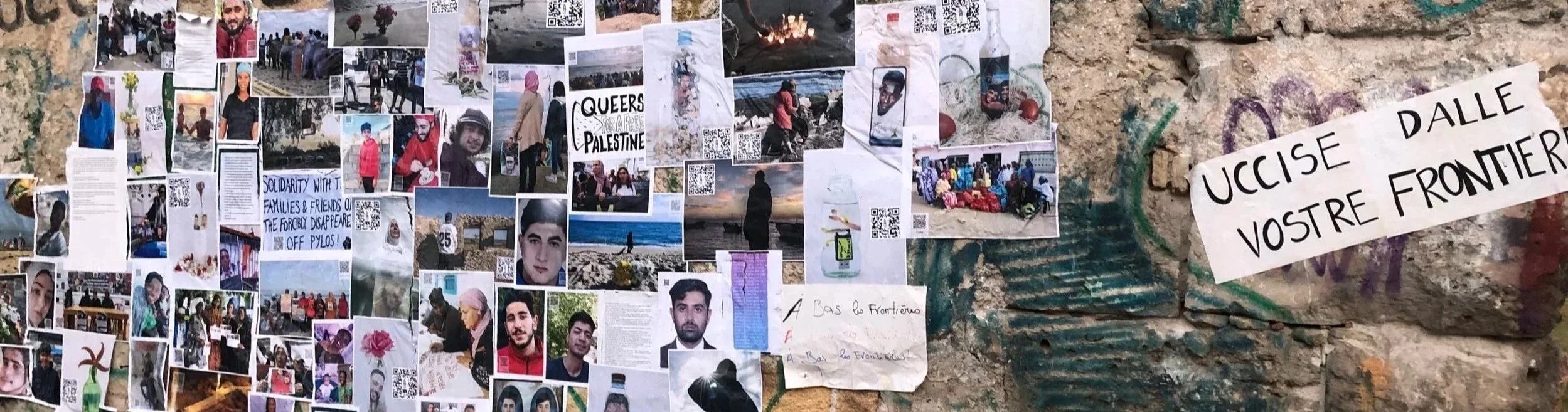
A collage showing people lost at sea in the Central Mediterranean crossing or who otherwise disappeared in their migration journey.
Documentation
People spoke most often about issues with acquiring and renewing legal documentation and permits, which are necessary for realizing all sorts of rights in Italy. For example, residence permits are required for acquisition of work permits; but since the national government’s Cutro Decree of 2023, work permits are also required for people to get residence permits, creating a situation in which migrants and their children must navigate complex bureaucratic hurdles to live and work legally. Interview participants spoke of living in limbo as they and other people in their families and communities waited for pending applications to be processed, unable to work legally, as pending applications give no access to legality. People reported experiences of waiting many months even for their renewals to be processed, losing their jobs in the meantime. Some participants, especially from North and West Africa, also spoke of challenges and lack of support for learning Italian, as language fluency is a prerequisite for many legal papers and thus affects people’s access to many rights.
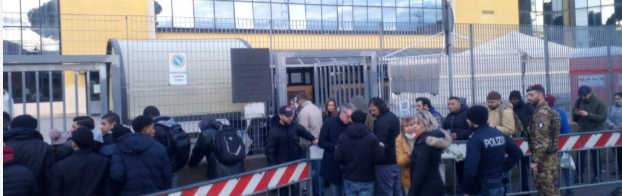
People waiting in line for appointments to process their documents, an image brought by one of the participants in our photo-voice interviews.
Work
Another most common issue discussed by interview participants was the right to work. Beyond the challenges noted above, people spoke of struggles to attain dignified work and of entrenched hierarchies in the Italian labor market that reinforce stereotypes and discrimination. Black people reported widespread colorism, wage theft, unequal pay, and denial of access to all but the most difficult, demeaning jobs. Many respondents, especially from North and West Africa, spoke of their communities’ need to seek illegal work as they waited for legal papers to be approved for residence, housing, and other prerequisites for employment papers. Some mentioned health and safety challenges at work.
People in the Filipino community expressed the greatest, but still uneven, access to rights at work. They recognized their position at the top of Italy’s racialized labor market hierarchy for migrants, particularly in the home-based care occupations in which a large share of migrants work in Palermo. This allows them to move between employers more easily, getting new jobs, better pay than Black migrants, and help with labor abuses, health care, and other rights realized. But they also shared they are forced to work inconsistent hours with uncompensated overtime; they are not paid wages comparable to Italians and are commonly denied severance pay to which they are legally entitled when the people for whom they care die. Filipinos and participants from Africa noted that their denial of rights at work limit the ability of people in their communities to retire with social security payments, whereas Italians whose labor rights are more often respected are able to retire in their old age.
Young adults from the Tamil community, born in Italy, recognized that their parents’ generation had endured more difficult and undignified work experiences, largely in home-based care, than their generation. But to realize the rights that their high levels of education and credentials promised in employment as doctors, lawyers, and other professional roles, many planned to move to other European countries where they hoped to find less restricted opportunities. Some pointed to the inequity of their exclusion from public sector employment in Italy, which represents some of the most stable, well-paid work in Sicily and Southern Italy.
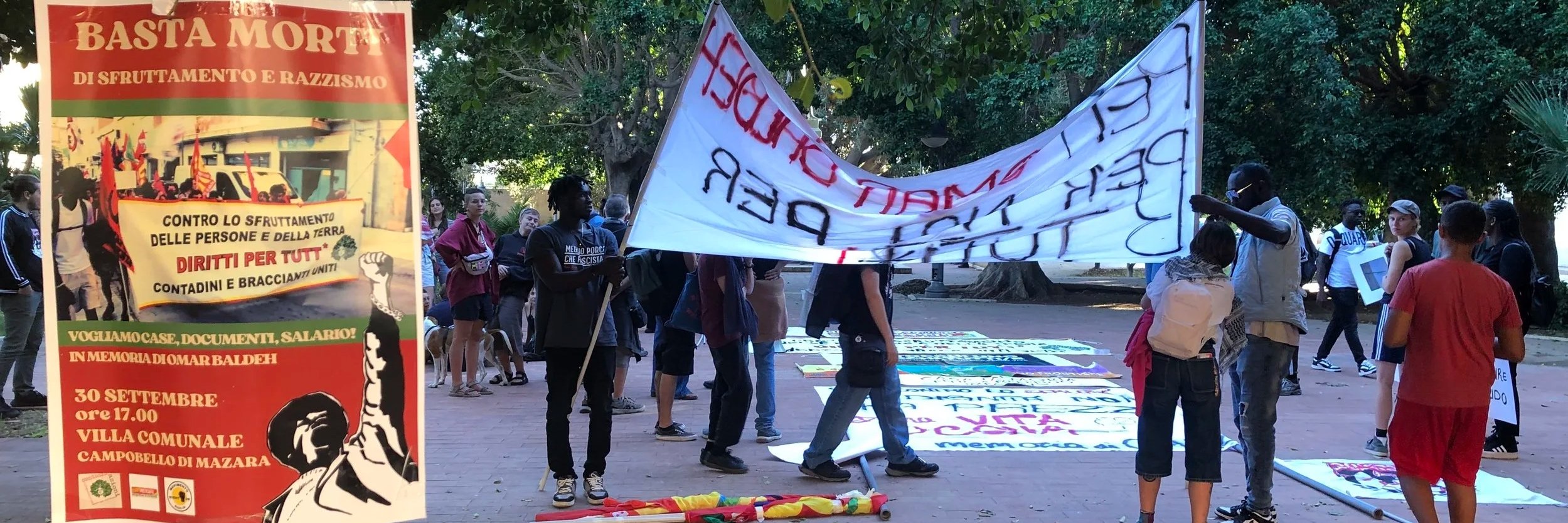
Setting up the annual demonstration by Palermo-based activists commemorating the death of migrant farmworker Omar Baldeh in Campobello di Mazara, a town where many migrants without legal status and access to decent employment find highly exploited work. The flyer at the left reads “No More Deaths.”
Culture, identity, and dignity
People’s rights to cultural expression, identity, and dignity were the other issues most often raised by participants in our photo-voice interviews. Some of these challenges related to the freedom of religion and freedom of thought. Black and Muslim people shared the worst stories of mistreatment and denial of rights. But people from the Tamil Sri Lankan community also noted they are sometimes confused for being Muslim and thus experience Islamophobia even though they are Catholic or Hindu. Muslims from Bangladesh and North and West Africa reported that they feel surveilled by Italians. People from the Bangladeshi community pointed out the injustice of Italy’s ban on broadcasting the Muslim call to prayer, whereas Palermo and other Italian cities are filled with the sound of church bells.
West African women related experiences of harassment on the street and unpleasant stares from Italians while riding the bus. One participant, a man from West Africa, averred that Black migrants are seen as “pieces of paper,” or worse, and not treated as humans. Other migrants shared that people judge them for the way they speak Italian; this makes them feel they cannot make jokes or express themselves in the ways they wish.
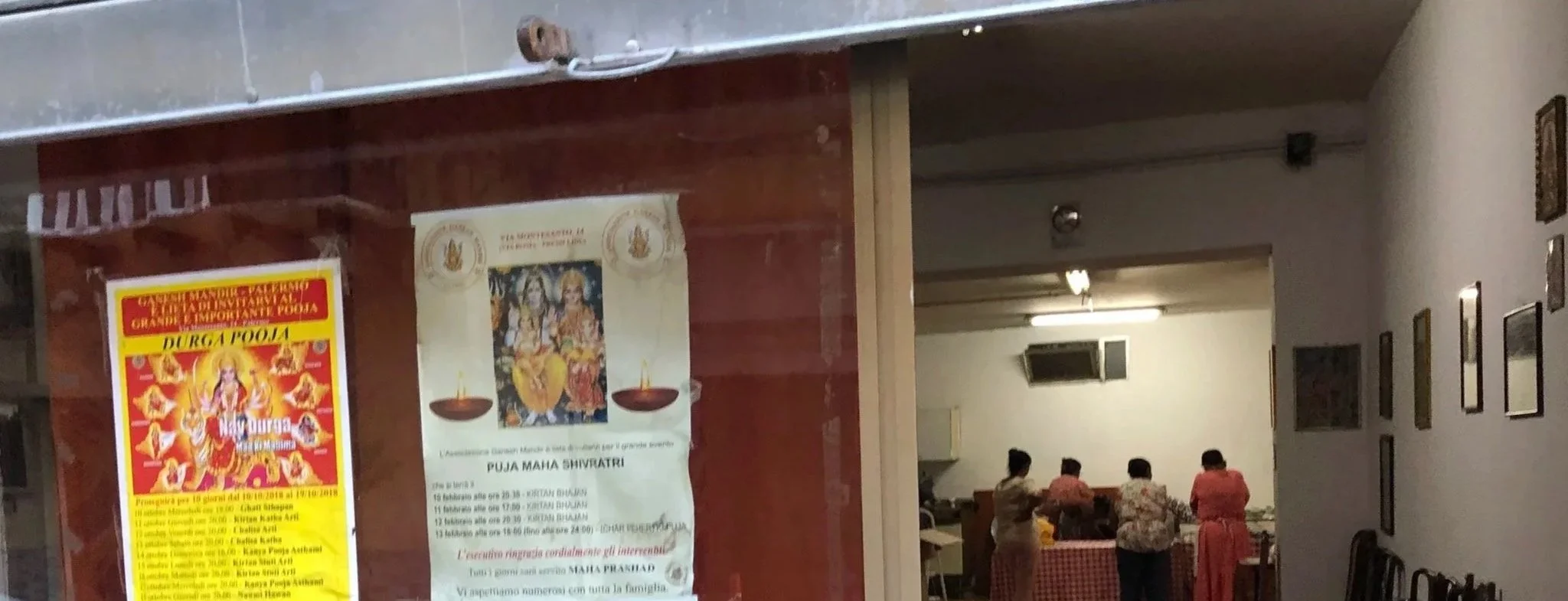
A Hindu temple in a converted garage in Palermo’s Mauritian community.
Shelter
The right to shelter was less commonly noted as a problem by participants in our interviews. This surprised our research team, given the widespread abuses documented in Italy’s asylum seeker housing system, including in other research we have conducted in Palermo. However, some respondents, particularly from Gambia, Ivory Coast, and Nigeria, expressed fear of losing their housing and some shared experiences of living on the streets. Respondents from the Moroccan, Tunisian, and other African communities spoke of the power and leverage exerted by landlords, as valid rental contracts are required for accessing other sorts of legal papers. Some spoke of landlords who would not permit renters to host guests, including family members visiting from North Africa, presenting a barrier to family reunification.
Other participants related increasing challenges in finding landlords in central Palermo willing to rent to people from migrant communities, especially from North and West Africa. The city’s historic center has gentrified in recent years with a boom in tourism, with many apartments converted to short-term rentals, typically by Italians but also sometimes landlords from migrant communities. As respondents related, this has resulted in landlords refusing to renew rental contracts because they desire to seek higher rents in the short-term market.
Again, people in the Filipino community reported greater satisfaction with their housing experiences as well as a desire to continue living amongst other people in their community. Many people in this community reside six days a week with the people for whom they provide home-based care in various neighborhoods, which does present some challenges, however. They typically rent affordable apartments where the community gathers on Sunday, their one day off of work, in the working-class neighborhood of Borgo Vecchio next to Palermo’s port and historic Ucciardone prison.
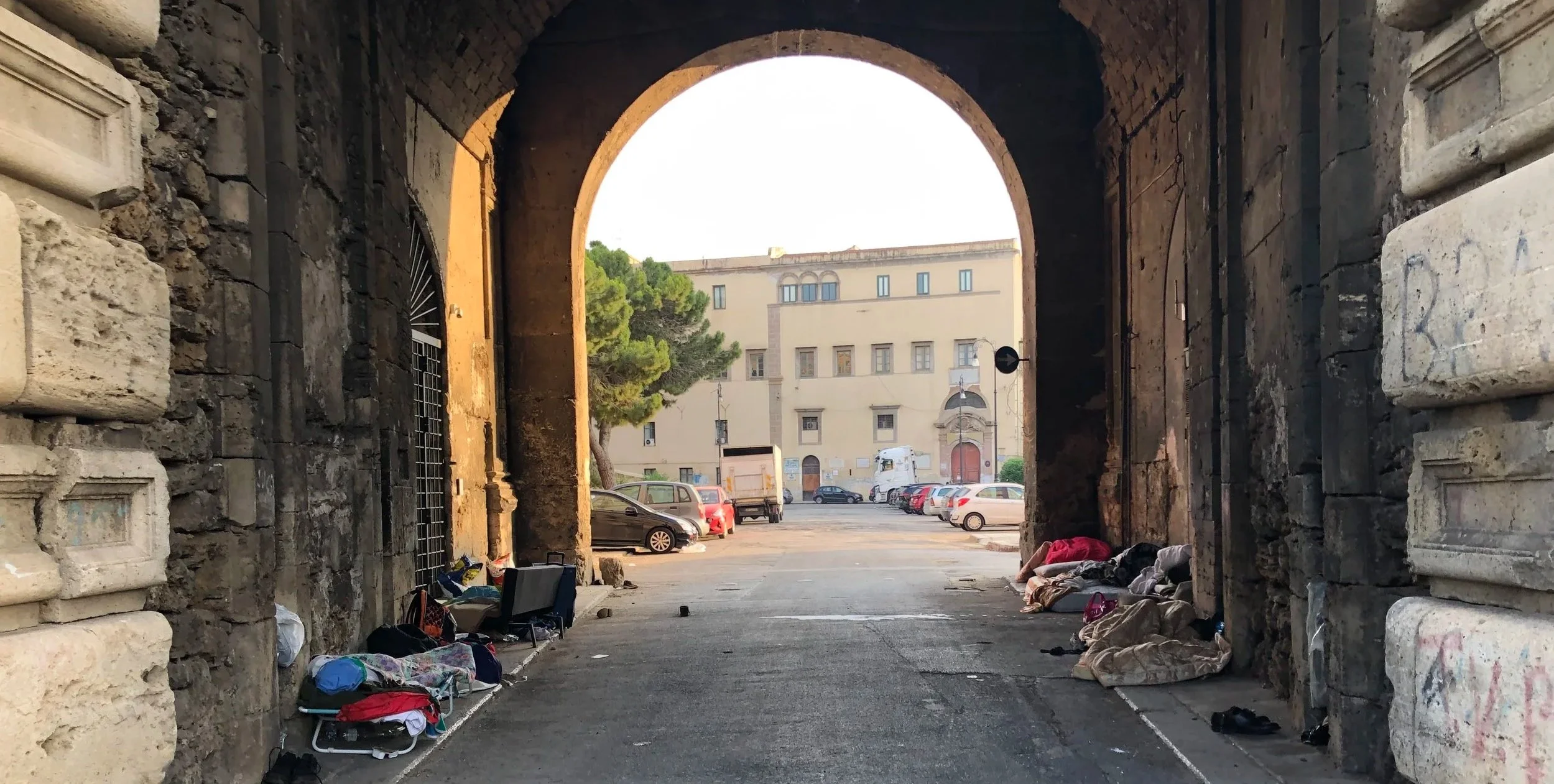
A place where migrants sleep on the street near Palermo’s waterfront.
Care
The right to health care was less often discussed by participants in our interviews, but people did mention it in their discussion of language, papers, and people’s awareness of what is accessible. Some respondents did recognize that health care is one right most commonly and easily realized in Italy, given physicians’ and clinics’ willingness to treat people even without legal status. Again, people from the Filipino community expressed the greatest satisfaction with their ability to navigate the public health system, though people from Gambia and elsewhere also related positive experiences with access to care.
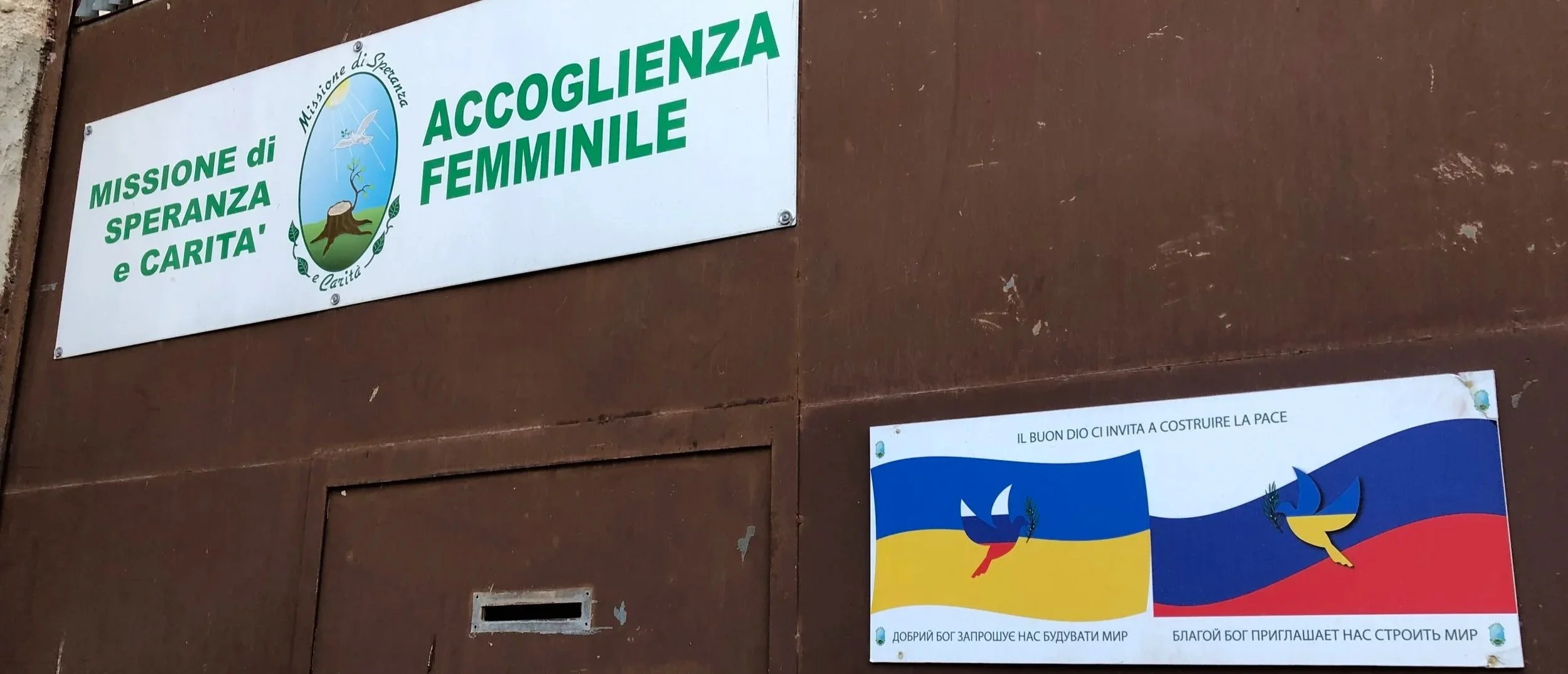
A shelter for women in central Palermo, expressing welcome for people from both Russia and Ukraine.
Participation and citizenship
Finally, while participants rarely discussed the right to political participation and voting in specific terms, many lamented Italy’s limited and challenging paths to citizenship. The lack of birthright citizenship is just one part of this. Italy and Europe’s increasing externalization of borders, closing off pathways to asylum and other legal statuses, and the dysfunction of especially Southern Italy’s bureaucratic systems that fail to process people’s papers in time to preserve their legal status – all this produces illegality and barriers to realizing human rights of all sorts.
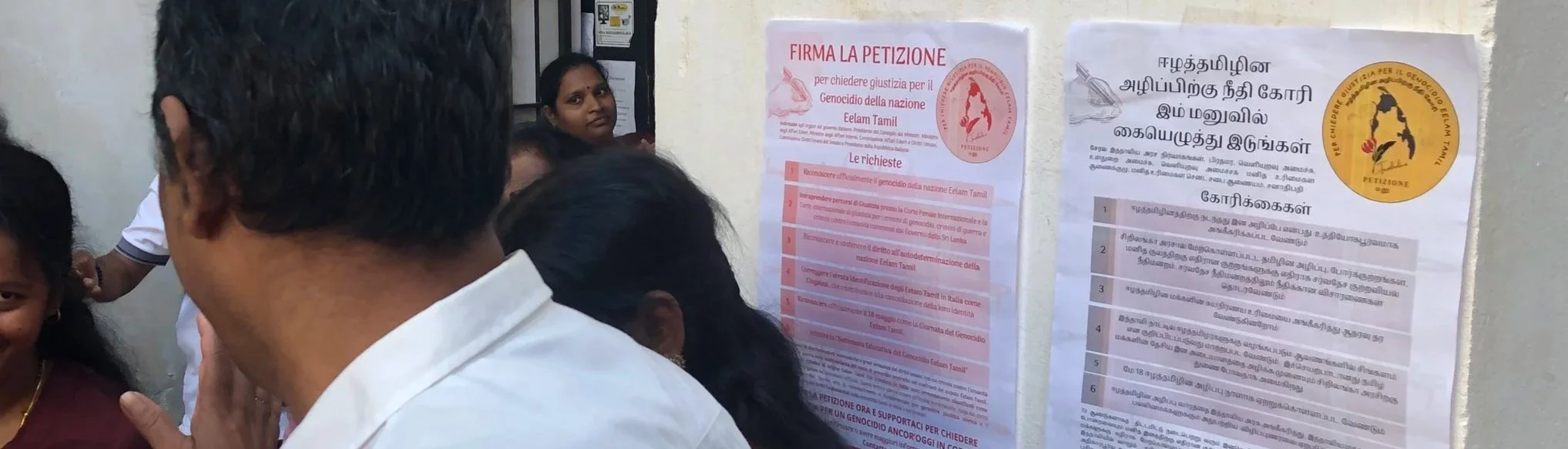
Organizing after a church service in the Tamil community for the Italian state to recognize the Tamil genocide and Tamil’s right to a distinct identity and participation in Italian society.
Please also see specific discussion of different rights, including quotes from participants in our interviews, on the other pages of this web site.