The Right to Life
The Right to Life, as articulated in the Charter of Palermo, affirms that human rights are inviolable regardless of citizenship status. The right emphasizes that no legal or administrative framework may justify exposing individuals to death, abandonment, or denial of basic protection.
However, Italy and the European Union’s externalization of borders, paying Libyan and Tunisian authorities to restrict migration to Europe, and the Italian Coast Guard and EU Frontex patrols in the Mediterranean have helped make the Central Mediterranean route between North Africa and Sicily the world’s deadliest migration corridor. According to the International Organization for Migration, over 26,700 people have died crossing this part of the Mediterranean between 2014 and early 2026.
Civil society organizations and individuals in Palermo, including some participants in this research, support and participate in migrant rescue work in the Mediterranean. Equally important but less publicized, many migrant community associations assist people in their home countries in Africa and Asia in seeking safer, legal pathways for migration, to avoid the dangers of migrating by sea without permission. The Algerian Association, a partner in this project, is one leading example of this work, supporting hundreds of international students coming to the University of Palermo.
Participants in the photo-voice interviews in this project, particularly people from Gambia, Nigeria, and other parts of West and North Africa, discussed their own and other people’s experiences of the Central Mediterranean crossing. Some recalled witnessing the deaths of other people on this route. Participants also generally recognized the ways that Italy and Europe’s externalization of borders, denial of safe and legal migration pathways, and other efforts to restrict migration deny people’s right to life. Many identified how it is difficult to make a life in Italy, to survive especially when people are denied legal status.
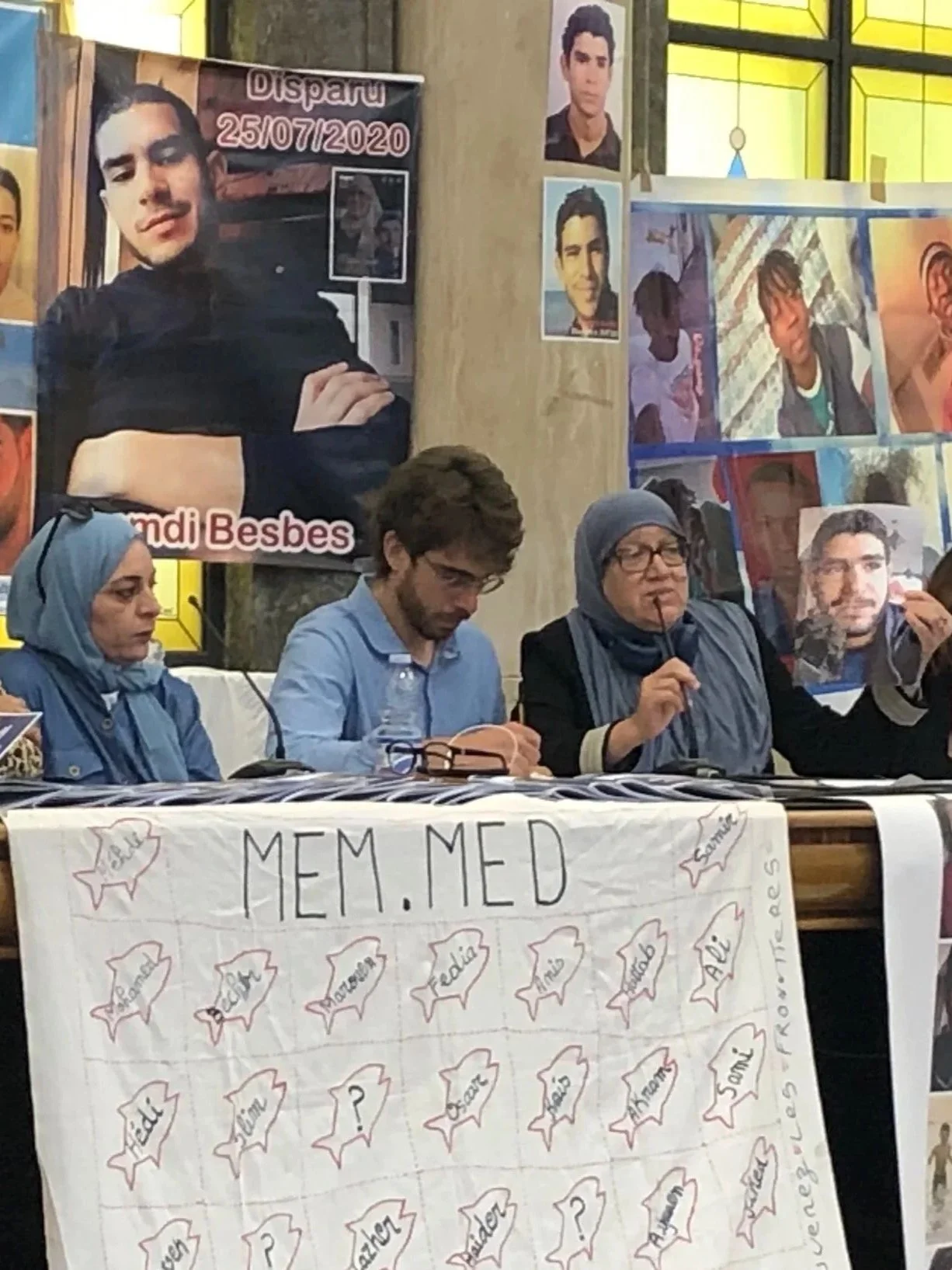
Women from North Africa presenting at the University of Palermo law school about their search for their sons who have gone missing in their crossings of the Mediterranean.
-
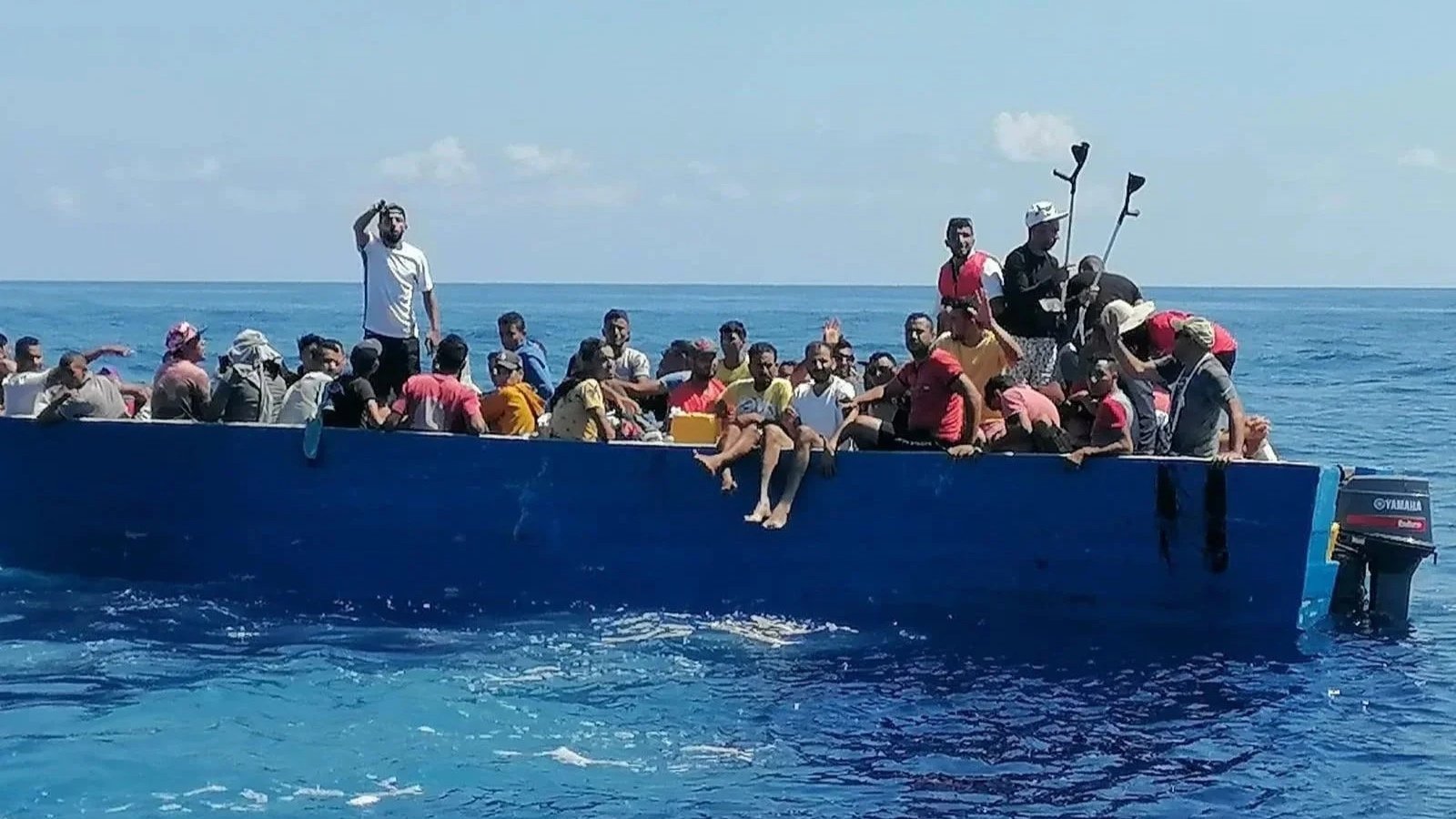
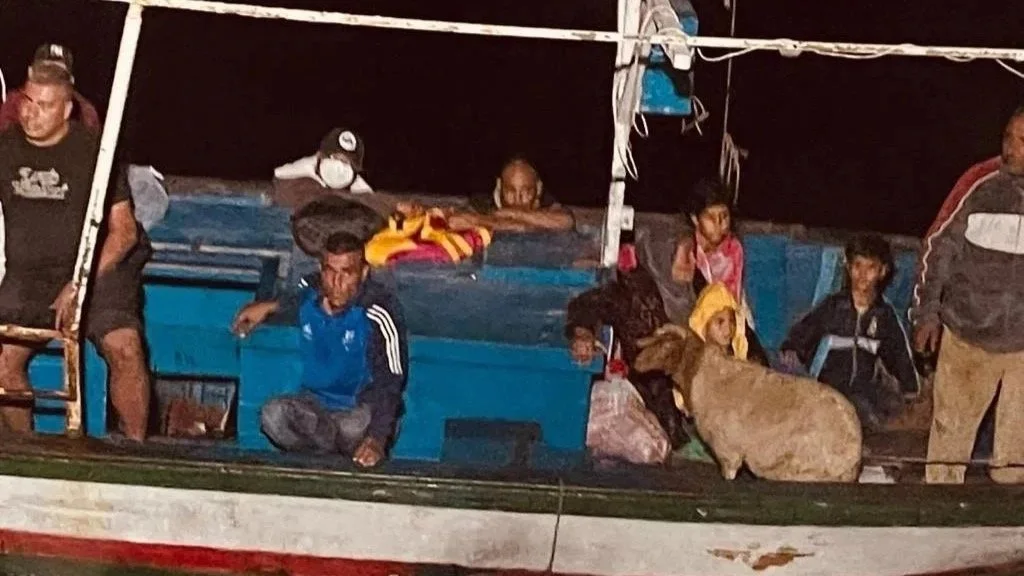
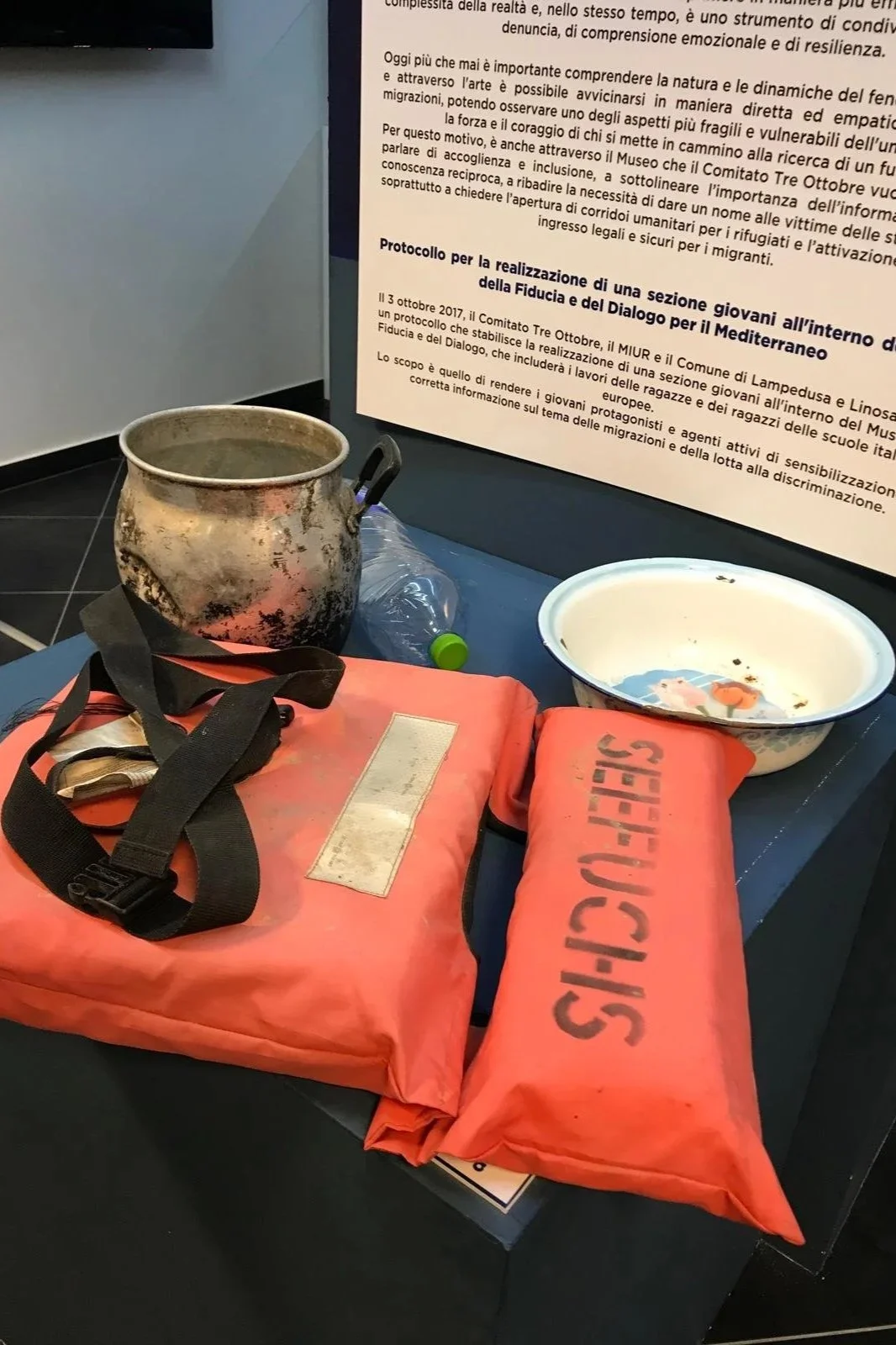
“Today I brought these very significant objects [the three photos above], taken during my work in Lampedusa. The first photo shows boats carrying people who crossed the Mediterranean and arrived in Lampedusa. Some made it, others didn't. There are some objects found at sea. Then a third photo shows some families who also brought their pet, a lamb, with them because they couldn't leave it there, and they took it with them on this crossing.”
—Member of the Algerian Community
-
“I saw the devastation of [crossing the Mediterranean]. Because oftentimes those boats are devastated by the waves. That's why it brought sometimes death. And the weather at night, because it's very cold… I saw how the ships, they are very, very small. So that boat is small and about to drown.”
—Member of the Filipino Community
-
"Our boat had a problem… It capsized… Some they had life jackets, some they don’t have it. As Black people, as immigrants, normally we help each other. We decided to mobilize each other, you catch his hand, to come together [and hold onto each other]. We were there from Wednesday to Sunday… In our boat we lost three, three adults, and two babies… From there, the rescue team took us to Lampedusa."
—Member of the Gambian Community
-
In this situation, one simply cannot find happiness. Or even look for work. Just look at what people are doing out on the streets: they beg for help—asking for a euro here, two euros there. But that isn't a life; to me, that is not a life at all.
—Member of the Nigerian Community
-
"We work just a little bit—barely enough to cover the rent, electricity bills, insurance... barely enough to eat."
—Member of the Moroccan Community
-
"I came from poor family... I know exactly how it feels to have nothing."
—Member of the Filipino Community
-
"Italy is too difficult—there is no work, no housing, and there are problems with documents... Italy is too difficult for migrants."
—Member of the Gambian Community
-
"My parents are not born here, they came from their country due to war... for them it was very difficult to start this new life."
—Member of the Tamil Community
-
"My dream is to have a job, rent a home, be independent, and pay my own bills."
—Member of the Gambian Community