The Right to Participation
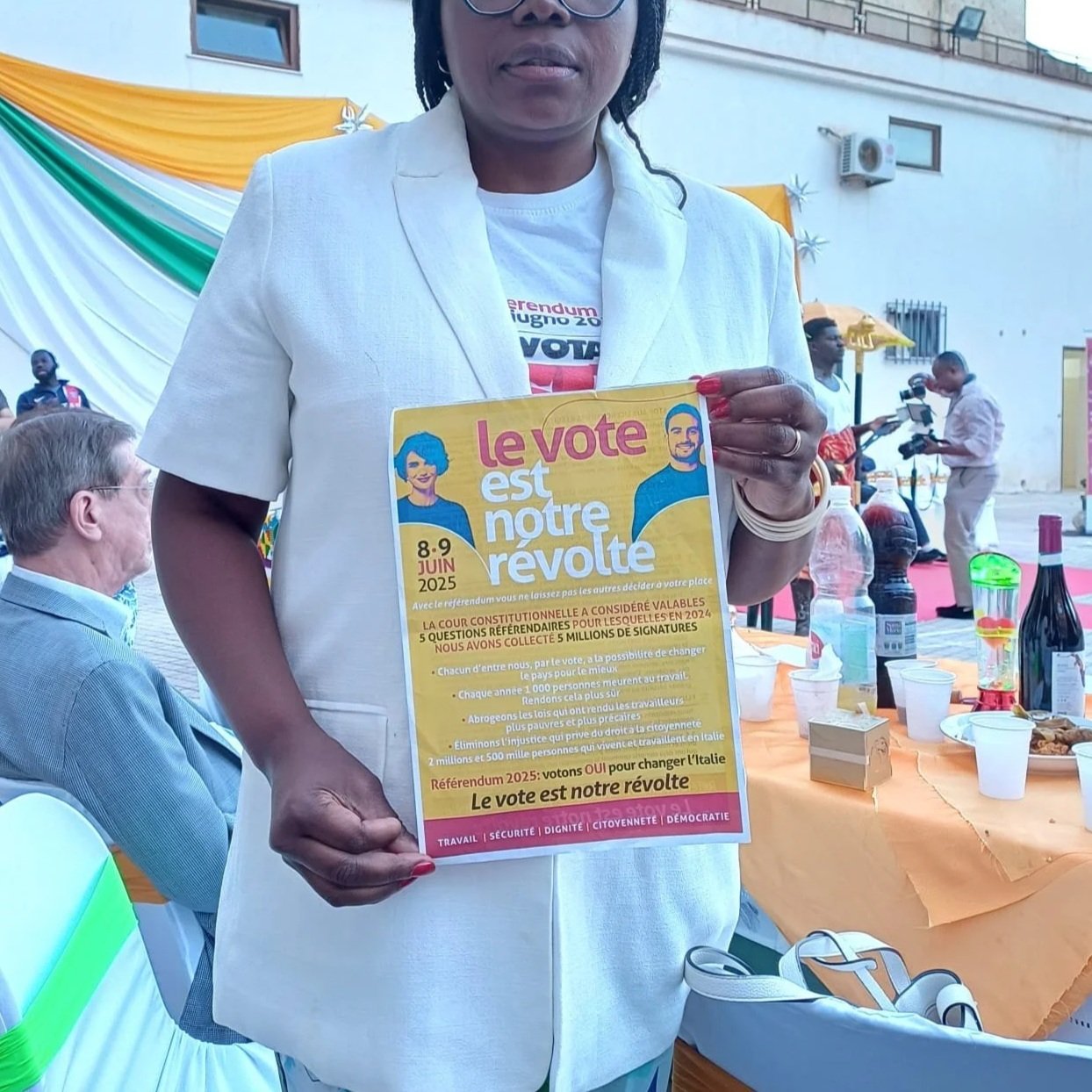
The Right to Participation, as articulated in the Charter of Palermo, affirms that democratic life must be grounded in the active inclusion of all residents, regardless of citizenship or legal status. The Charter emphasizes that those who live, work, and contribute to a city should have a voice in shaping its institutions, policies, and collective future.
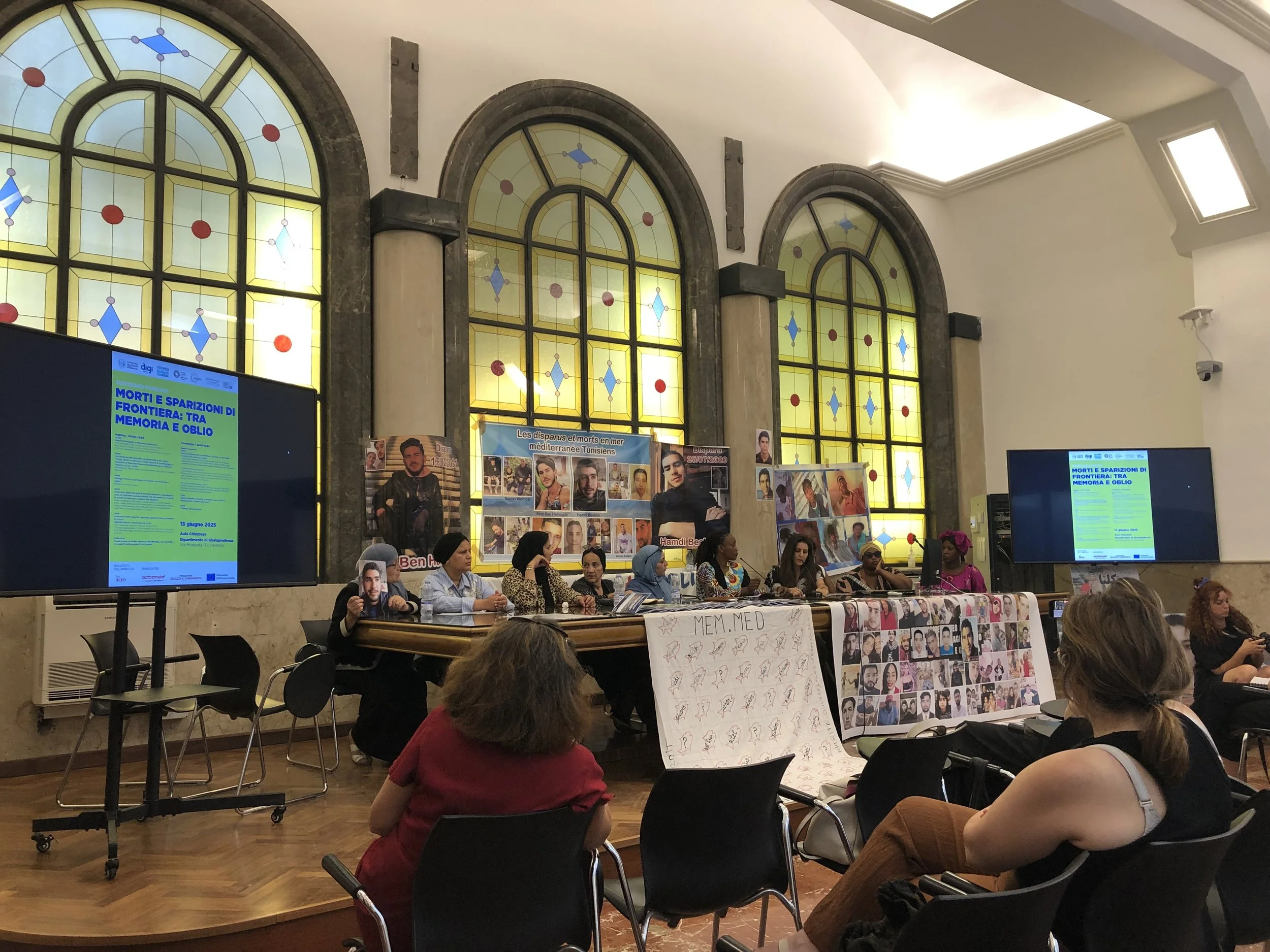
The document calls for the revitalization of participatory bodies, such as territorial immigration councils, and the expansion of opportunities for ongoing dialogue between migrant associations, municipal offices, and state authorities. In this framework, participation is also understood as a process of “cultural contamination”—a mutual exchange through which diverse communities reshape the social and political fabric of the city.
Accordingly, the Charter calls on local governments to expand channels for meaningful engagement and to anchor political belonging in residence rather than nationality. By doing so, it frames participation as central to building forms of citizenship rooted in everyday life—where rights are not only granted, but collectively enacted and transformed through shared presence in the city.