Background
Since the late 20th century, Palermo, the capital of Sicily and the fifth-largest city in Italy, has become a destination for diverse migrant and diaspora communities from around the world. Substantial communities of people from Bangladesh, the Philippines, Tunisia, and ethnic Tamils from Sri Lanka have lived in the city since the 1980s. In the 2000s, large communities of people from North and West Africa, South and Southeast Asia, Eastern Europe, and smaller groups of people from Latin America and other parts of the world settled in Palermo.
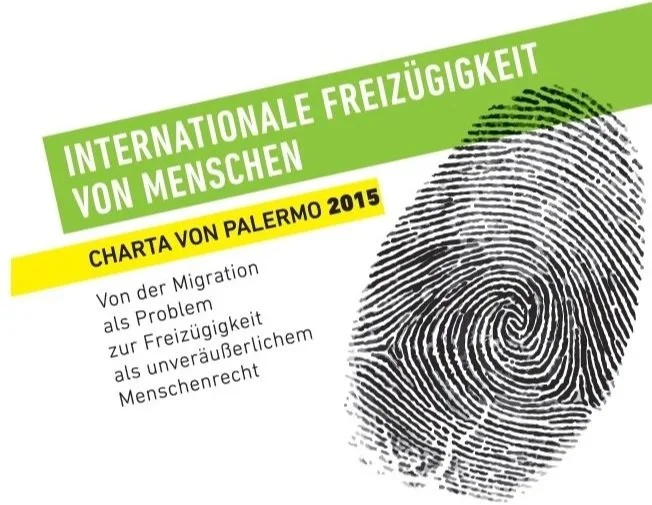
In the 2010s, the Central Mediterranean became the deadliest migration corridor in the world, with Sicily serving as the main point of people from across Africa and Asia arriving from the coasts of Libya and Tunisia. Palermo, a major point of entry into Europe, became an important center of migrant rights movements, building on its history as a hub of anti-mafia movements that likewise promoted human rights and pathways to legal work and freedom from violence and exploitation. In 2015, the administration of Mayor Leoluca Orlando, the foremost anti-mafia mayor in Italy and an increasingly champion of migrant rights, issued the Charter of Palermo.
The Charter of Palermo elaborated on the various rights that Europe and Italy guarantee to all people in their constitutions, laws, and United Nations conventions to which they are signatories – rights to:
The Project
-
This 2-year project was designed and organized by members of 9 diaspora-led associations in Palermo (Italy) with colleagues from the University of Pennsylvania in Philadelphia (USA).
In its first year, facilitators from the city’s North and West African, South and Southeast Asian communities conducted photo/voice discussions with people in their communities. They asked participants to bring a photograph, object, or brief video that illuminated how particular rights were realized or not in their community. Each participant shared how the thing they brought represented their community’s experiences of one or more human rights. People of various ages, genders, and parts of the world shared a great diversity of stories, issues, and critical analysis in these group discussions, which typically included four or five people from one community.
In its second year, building on this research, project partners will design and implement outreach, organizing, and other initiatives in their communities to promote the realization of human rights.
-
Atrico Algeria Trinacria Association for Cooperation (Algeria)
Bangla School (Bangladesh)
Diasporas for Peace (intermediary organization; staff from Ivory Coast, Venezuela)
Filipino Community (Philippines)
Islamic Social-Cultural Center (North Africa & Middle East)
Tamil Youth Organization (Sri Lanka)
Union of Ivorians in Sicily (Ivory Coast)
University of Pennsylvania (USA)
Women of Benin City (Nigeria)
-
Co-PIs:
Ibrahima Kobena, founder and president, Diasporas for Peace
Domenic Vitiello, Professor of City Planning and Urban Studies, University of Pennsylvania
Obed Arango, Lecturer in Social Policy, University of Pennsylvania; co-director, CCATE
Research assistants:
Lorena Alvarez, Diasporas for Peace
Eliana Atienza, University of Pennsylvania Urban Studies
Anna Bellows, University of Pennsylvania Political Science
Glynn Boltman, University of Pennsylvania Political Science
Sadie Daniel, University of Pennsylvania Urban Studies
Facilitators/Community Organizers:
Shaidul Abdul, Bangla School (also legal advisor for the project)
Jeffrey Coloma, Filipino community
Osas Egbon, Women of Benin City
Ashraf Halouan, Polo Islamico
Marie Pierre Natcha, Union of Ivorians in Sicily
Jinithira Anthonistan Vimalaselvam, Tamil Youth