The Right to Asylum
The Right to Asylum, as described in the Charter of Palermo (2015), affirms that people fleeing persecution, conflict, or serious threats to their safety must have access to protection regardless of nationality or migration status. The Charter treats asylum as a core human right rooted in the protection of human dignity and the obligation to safeguard vulnerable individuals.
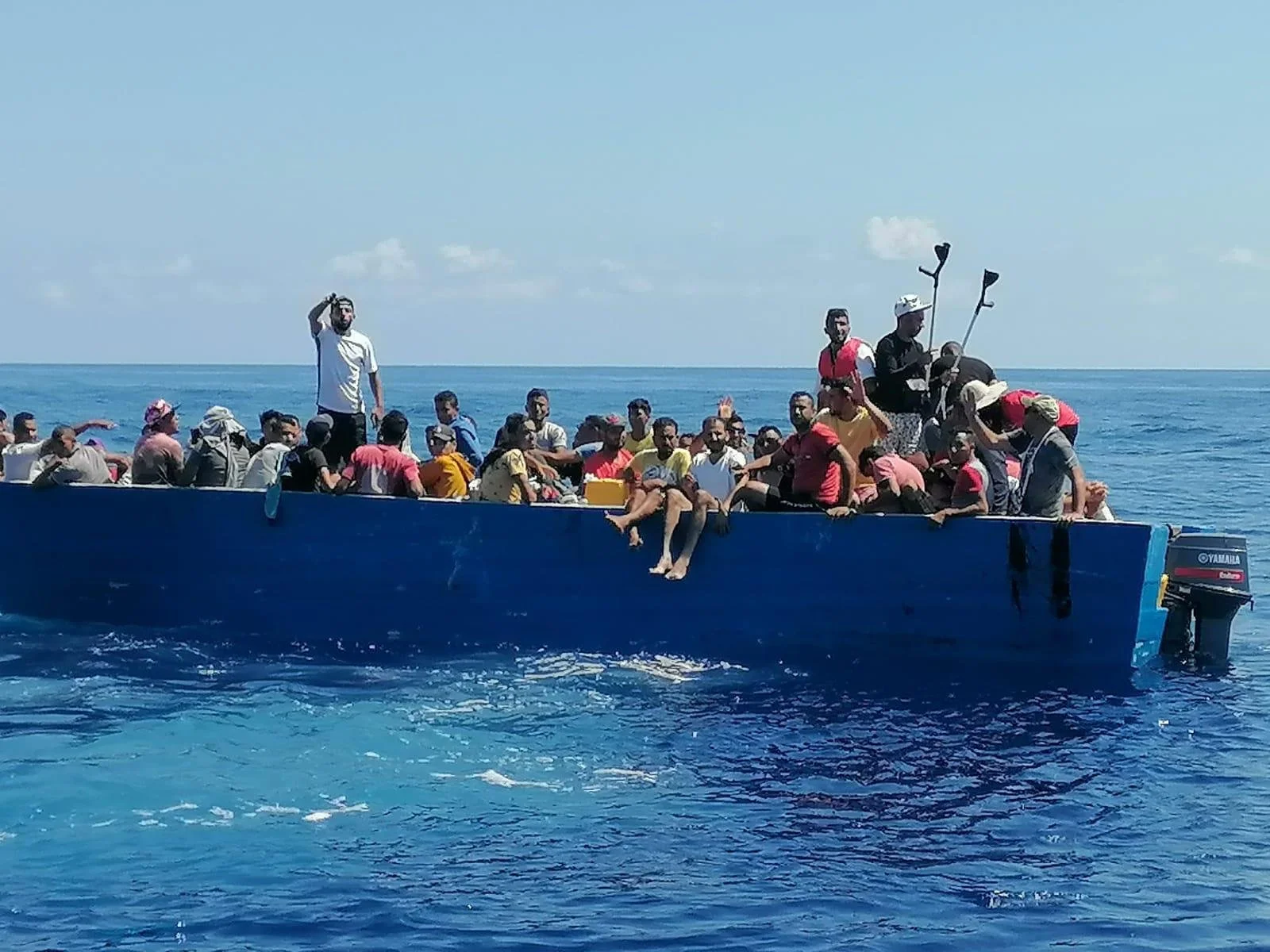
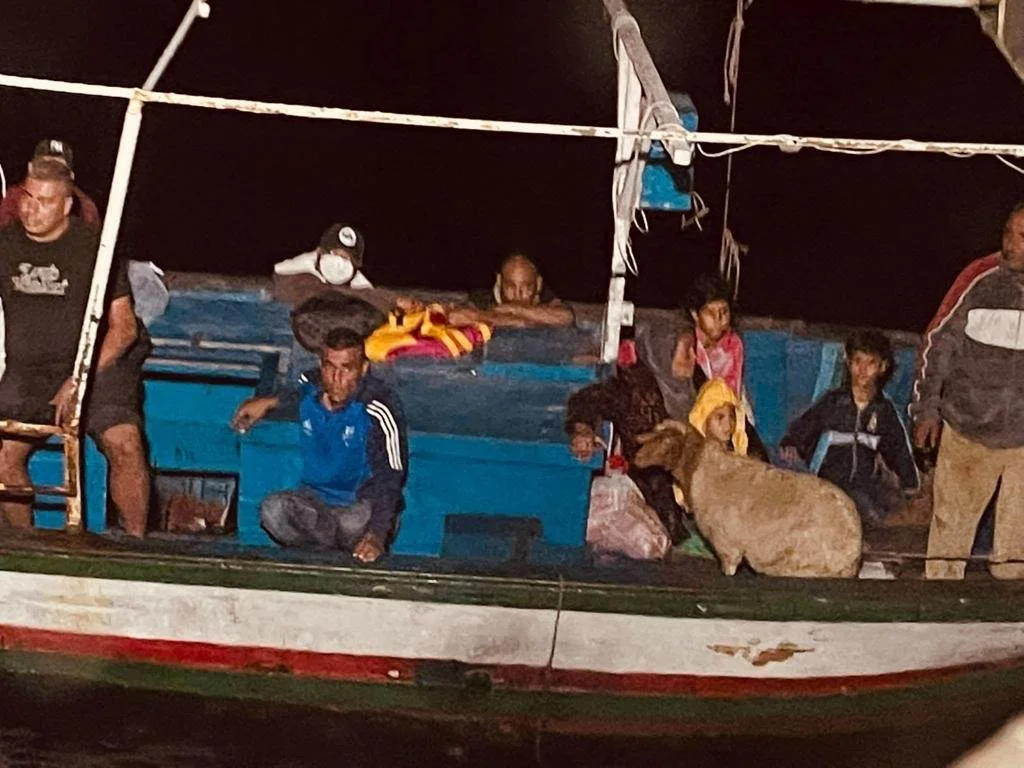
Addressing migration across the Mediterranean, the document stresses that those seeking protection must be able to safely reach places where they can request asylum and have their claims fairly considered. It raises concerns about policies that block access to territory or otherwise prevent migrants from seeking protection, arguing that such practices effectively undermine the right to asylum.
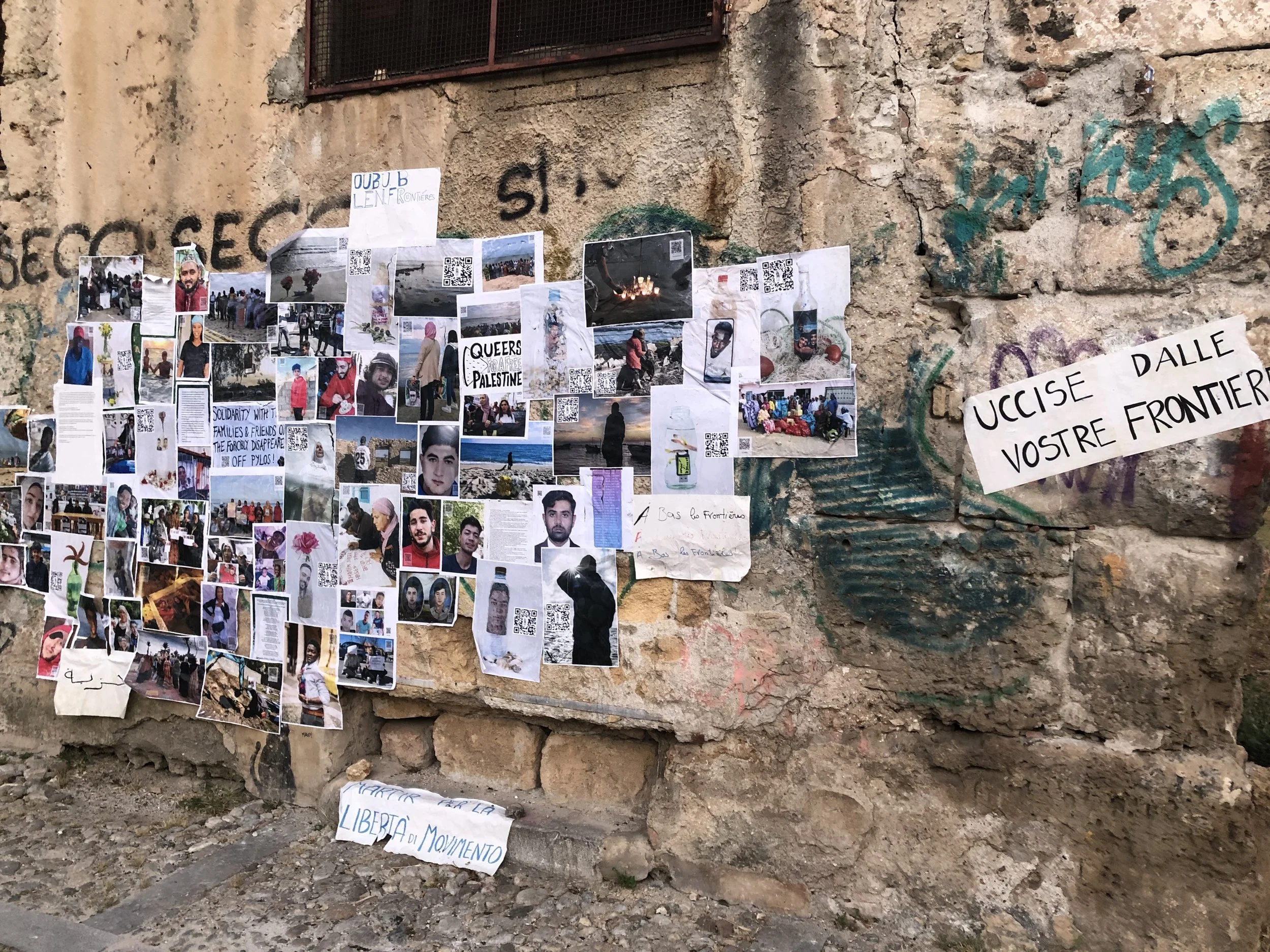
Although the Charter is best known for advocating international mobility as a fundamental human right, its discussion of asylum highlights the continuing responsibility of governments and public institutions to protect people escaping danger. It encourages authorities—including city governments—to uphold the rights and dignity of asylum seekers and ensure that protection is not denied through restrictive border policies or administrative barriers.