The Right to Cultural Freedom

The Right to Cultural Freedom, as reflected in the Charter of Palermo (2015), affirms that all people must be able to express, practice, and develop their cultural, linguistic, and religious identities without fear of exclusion or discrimination. The Charter emphasizes that cultural freedom is a condition for human dignity, and advances a vision of the city as a space of exchange, where diverse traditions, practices, and forms of knowledge coexist and interact.

The Charter highlights the role of local institutions in fostering environments where this exchange can take place meaningfully. This includes supporting spaces for dialogue, ensuring access to education and information across languages, and recognizing the cultural contributions of migrant and diaspora communities as integral to the life of the city.

Within this framework, cultural freedom is understood as both a right and a practice—one that requires active support, openness, and mutual recognition. The Charter calls for forms of coexistence that move beyond tolerance toward a more substantive and participatory vision of belonging.
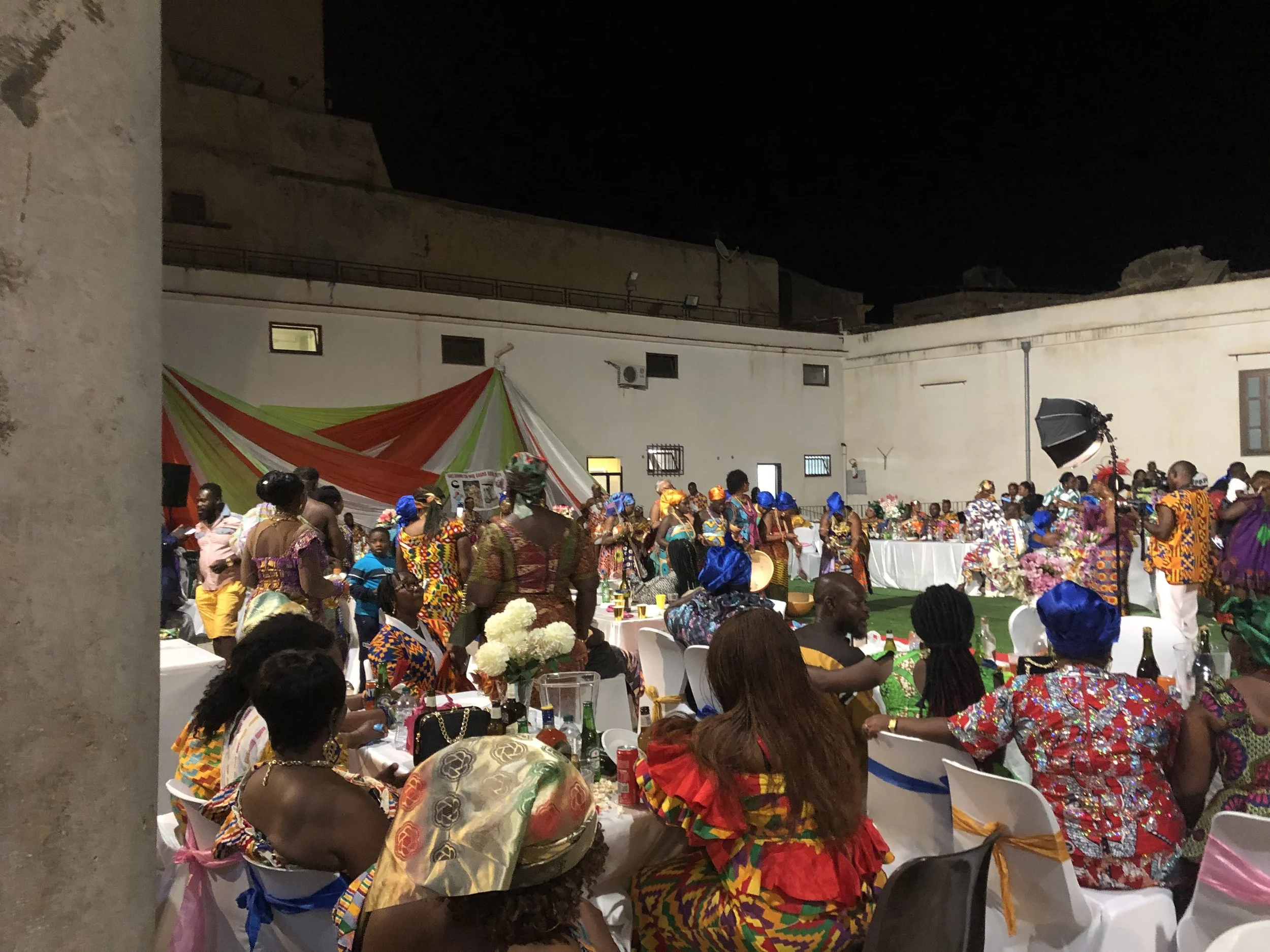
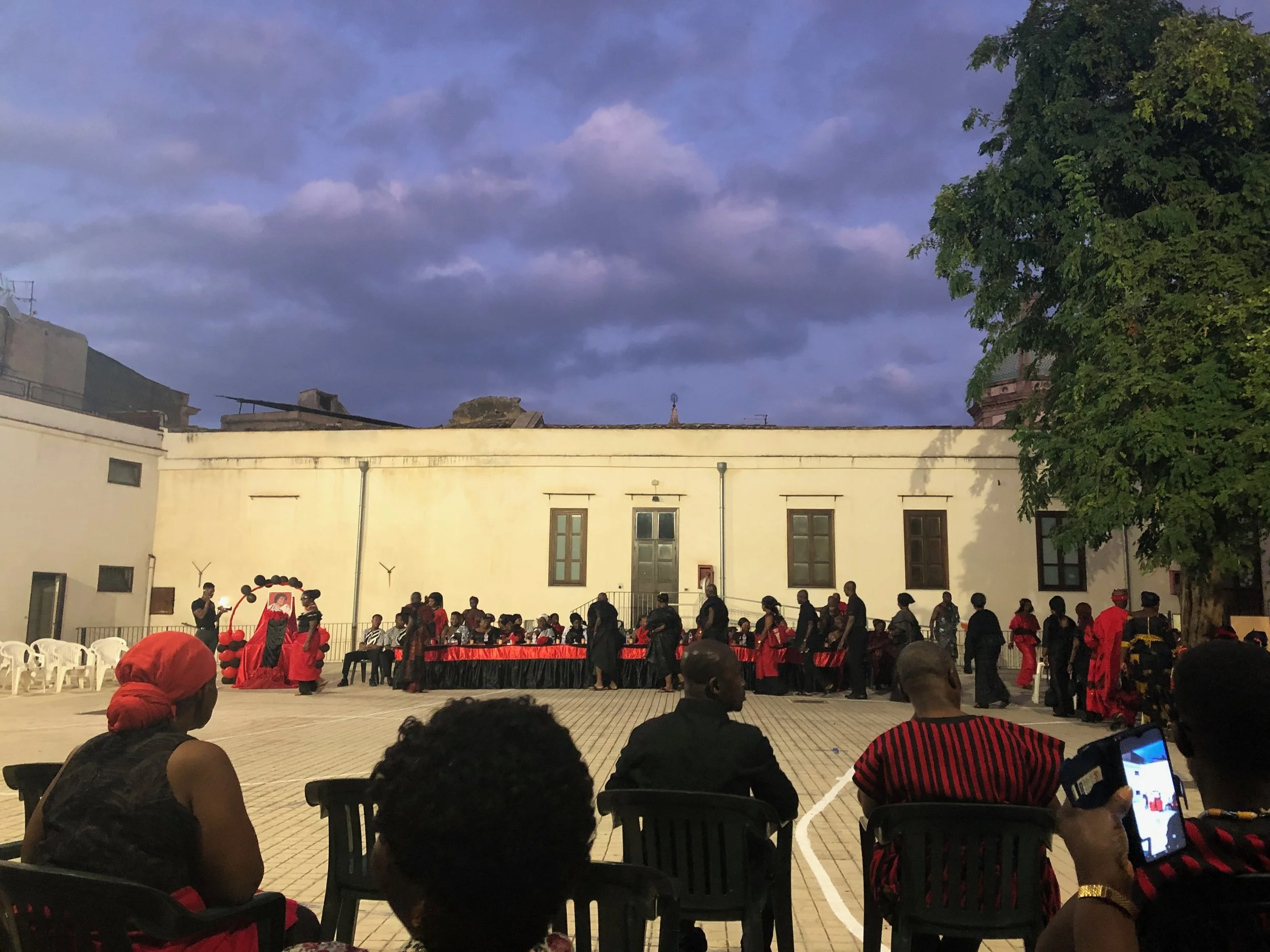
  • "No matter how well I speak the language or how much I understand their culture, I'm never truly seen as normal. There is always this invisible line between me and them. I may do everything right, speak like them, study like them, and even behave sometimes like them, but I'll still be reduced to that girl. It feels like my identity, how I behave, how I present myself, how I talk, and how I do everything is decided for me and not the other way around. And no matter how hard I try to change the situation, it's never enough."

    —Comfort Twumasi

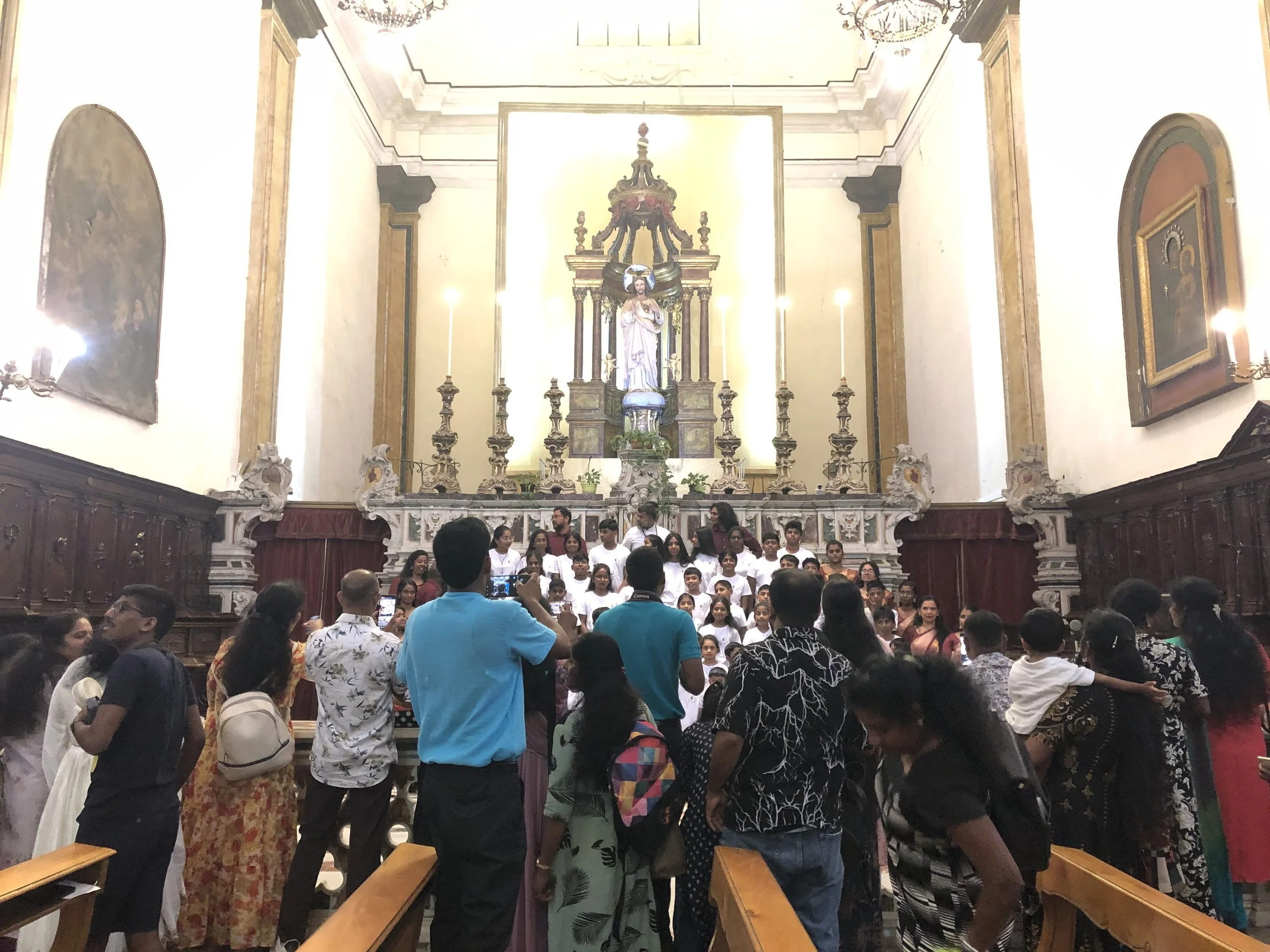
  • "I am a Bharatanatyam dancer. After a Bharatanatyam dance show, if I went to school the next day still wearing my mardani—that is, my anklets—my classmates would immediately tease me, making gestures to mimic my dancing. To them, it was all very funny; but for me, it was deeply distressing. I felt constantly under scrutiny—as if I were being judged and mocked—and this made me feel incredibly uncomfortable. I felt intensely watched and judged. What I truly wish others would understand is that our habits, our culture, and our traditions deserve respect. There is no need to judge or laugh at things you do not understand. What matters is that people educate themselves—that they try to understand the origins of these practices and the reasons behind them—rather than resorting to mockery. Every person has the right to be themselves without feeling excluded or "different" because of it."

    —Rogini Robinson