The Right to Papers
The Right to Papers, as articulated in the Charter of Palermo (2015), is grounded in the principle that access to legal recognition and documentation is essential to the realization of human rights. The Charter challenges the idea that rights should be contingent on immigration status, arguing instead that all people—regardless of nationality or legal classification—must be able to exist within a framework of legal visibility and protection.
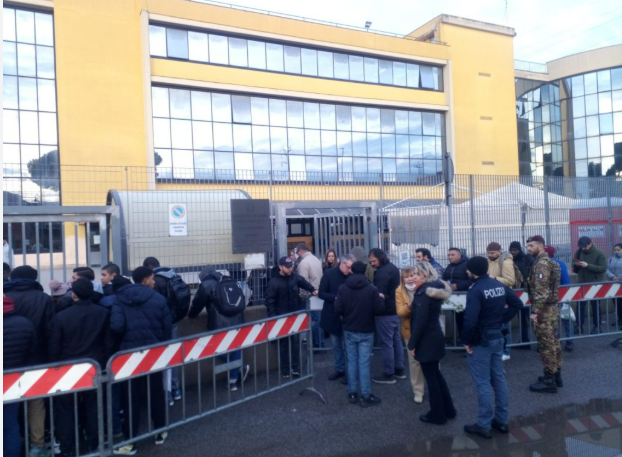
In the context of migration across the Mediterranean, the Charter critiques bureaucratic and legal systems that delay, deny, or restrict access to documentation. It argues that these systems create artificial barriers to belonging, reinforce inequality, and undermine human dignity.
Within this framework, the Charter calls for more inclusive and accessible pathways to legal recognition, including the regularization of undocumented individuals. It encourages institutions to develop policies that expand access to documentation and reduce administrative barriers, ensuring that all residents can exercise their rights fully and live without fear of invisibility or exclusion.