The Right to Freedom of Religion
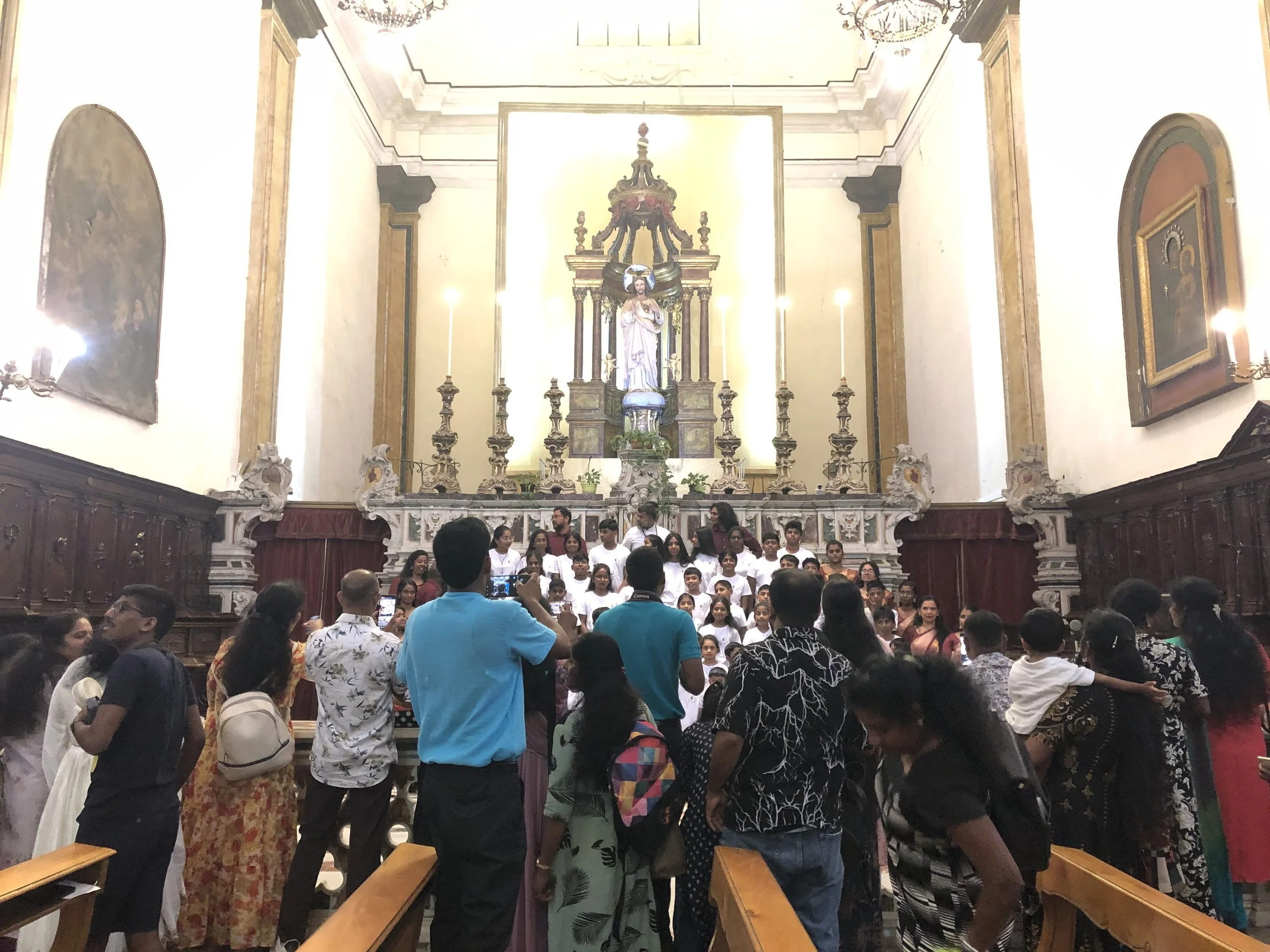
The Right to Freedom of Religion, as reflected in the Charter of Palermo (2015), affirms that every person must be able to hold, practice, and express their beliefs without interference, coercion, or discrimination. Freedom of religion is understood as a fundamental component of human dignity and democratic life.
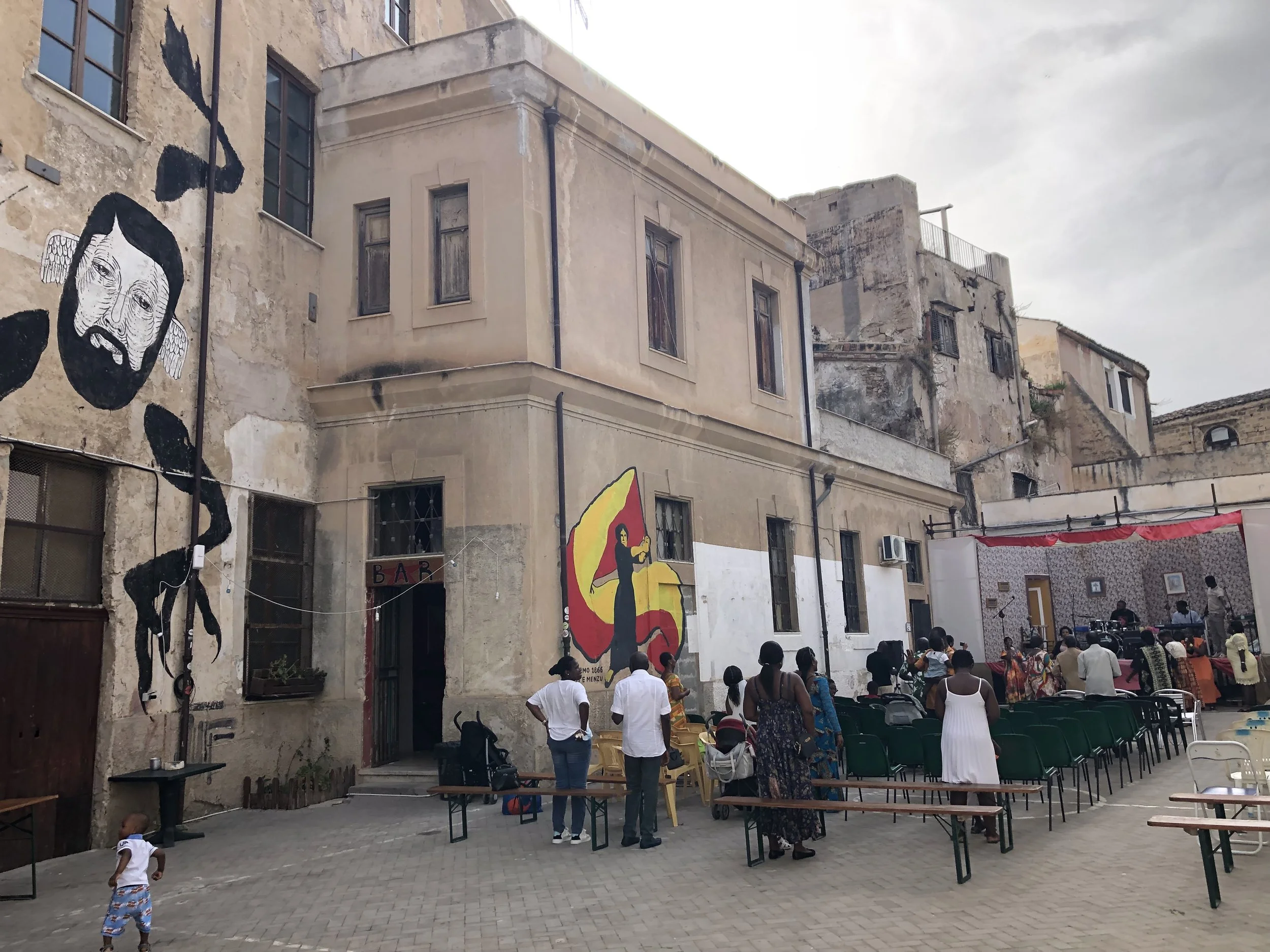
The Charter emphasizes that contemporary cities are shaped by diverse spiritual traditions and forms of belief. Thus, the ability to practice religion both individually and collectively requires both formal protections and the removal of structural barriers that limit access to spaces of worship, public expression, and community life.
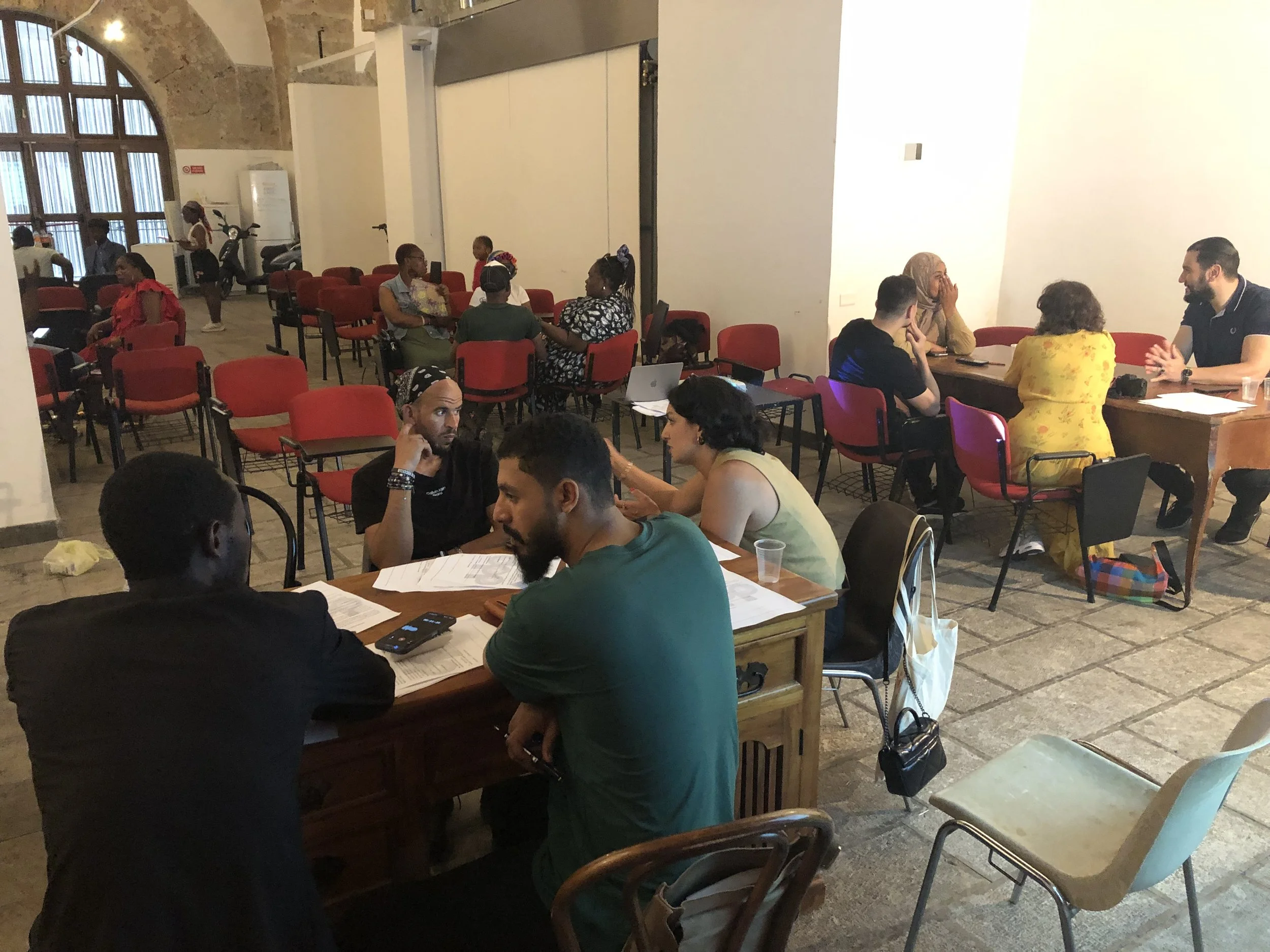
The document links freedom of religion to other core rights, including protection from persecution and access to asylum, and recognizes that many people on the move are fleeing violence tied to religious identity or belief. Ensuring the full realization of this right, therefore, depends on policies that safeguard both the freedom to believe and the freedom to live without fear.